
A sake menu can feel confusing when several unfamiliar terms appear together. Junmai, ginjo, and daiginjo offer useful clues, but they do not describe three completely separate groups.
Junmai tells you that no distilled brewing alcohol was added. Ginjo and daiginjo describe categories with specific rice-polishing requirements and brewing approaches. A sake can therefore be both junmai and ginjo, or junmai and daiginjo.
Once that distinction clicks, the labels become much easier to understand.
What Does Rice Polishing Mean?
Before brewing, rice is milled to remove part of each grain’s outer layers. The polishing ratio tells you how much of the original rice weight remains.
A ratio of 60% means 60% remains and 40% has been removed. A lower number means more polishing, not less.
| Sake designation | Rice remaining after polishing | Added brewing alcohol |
| Junmai | No fixed polishing-ratio requirement | No |
| Ginjo | 60% or less | Yes |
| Junmai ginjo | 60% or less | No |
| Daiginjo | 50% or less | Yes |
| Junmai daiginjo | 50% or less | No |
These categories also carry production and quality requirements beyond the numbers. Polishing alone does not determine the finished style. Official sake classification guide
Junmai: Often Savory and Full of Character
Junmai sake is brewed using rice, rice koji, water, and yeast, without added distilled alcohol. Koji supplies enzymes that help turn rice starch into fermentable sugars.
When a menu simply says “junmai,” expect a style that may emphasize rice-derived flavor, savory depth, and a rounded body. Some examples suggest steamed rice, cereal, or earthy notes.
These are tendencies, though. Junmai can be light, crisp, fruity, or rich. The word does not guarantee sweetness, dryness, or a particular weight.
Its appeal often lies in texture and balance rather than a powerful perfume.
Ginjo: Fragrant and Carefully Fermented
Ginjo brewing typically involves carefully managed, low-temperature fermentation and yeast selected for the intended aroma. The process encourages delicate fruit and floral characteristics.
You might notice apple, pear, banana, or melon. These aromas arise during brewing; they do not mean fruit was added.
The body is often light to medium, with a clean, lively impression. However, a fruity smell does not necessarily mean the sake tastes sweet.
For ginjo without the junmai designation, a controlled amount of brewing alcohol can help extract aromatic compounds and shape the texture. It is a deliberate brewing choice, not automatically a sign of lower quality. Sake brewing and flavor guidance
Daiginjo: Greater Polishing, Often a Delicate Finish
Daiginjo uses rice polished to 50% or less and follows the ginjo brewing approach with particularly careful production.
Many examples offer expressive floral or fruit aromas, a silky texture, and a precise finish. Some feel airy and restrained; others have noticeable richness.
Junmai daiginjo combines this approach with no added brewing alcohol. It may retain a rounded, savory dimension alongside its fragrance.
More polishing does not guarantee that you will enjoy the sake more. It describes production, while personal preference depends on the complete drinking experience.
Compare Aroma, Body, and Flavor Separately
When tasting, smell first, then take a small sip. Ask three simple questions: Is the aroma quiet or expressive? Does the texture feel light or full? Is the finish dry, sweet, savory, or some combination?
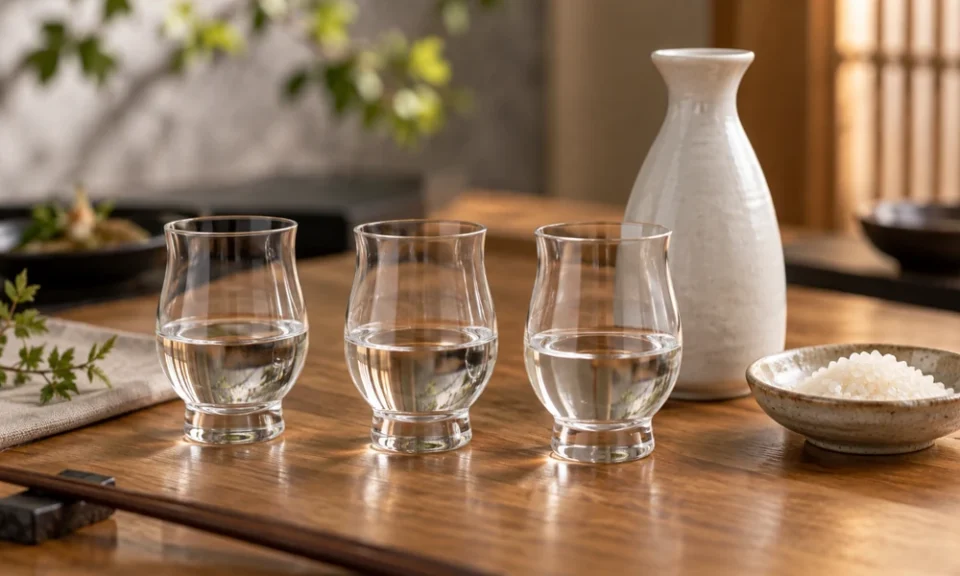
Try small pours at similar temperatures in matching glasses. Notice how the impression changes as each pour warms slightly.
Use the label as a starting point. Your favorite may be a fragrant daiginjo, a balanced ginjo, or a comforting junmai with plenty of savory depth.
This post was written by a professional at Fortu. Fortu stands out among the top Restaurants St Petersburg FL, offering an elevated Pan-Asian dining experience in the heart of St. Petersburg, Florida. Celebrating Asia’s vibrant and diverse culture, Fortu introduces bright and bold flavors to a bright and bold city with a menu of locally and sustainably sourced options, from small bites to hearty delicacies. Whether winding down from a beach day or celebrating a special occasion, guests can enjoy a lush, alluring atmosphere and an authentic taste of Asia’s divine cuisine at one of the finest Restaurants In Downtown St Petersburg FL.
