
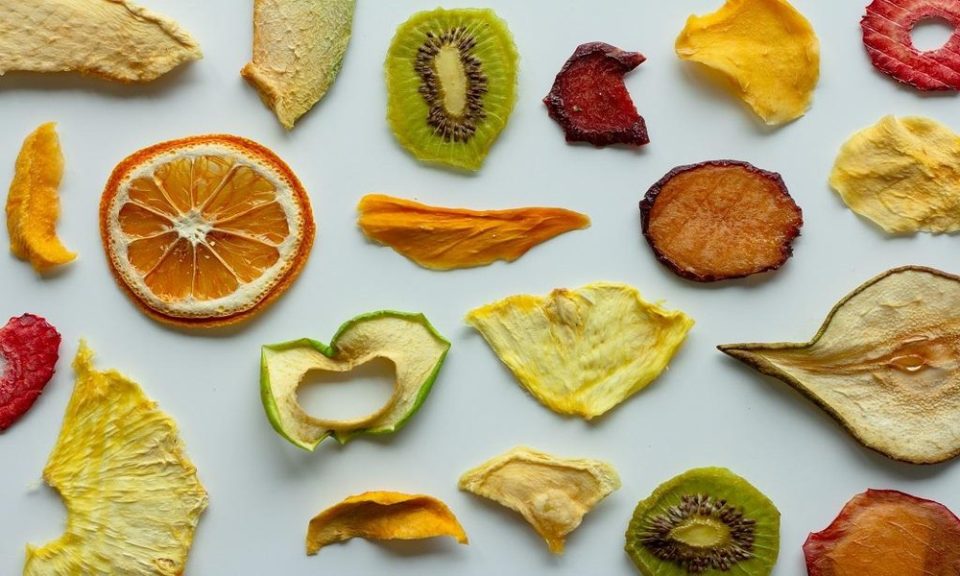
Drying fruits and vegetables is one of the oldest methods of food preservation, offering an effective way to extend shelf life while retaining nutrients and flavor.
Whether you’re a home cook looking to make healthy snacks or a food processor scaling up production, understanding the best practices and machine options for drying can help ensure consistent quality and safety.
This article explores the key considerations for drying produce and compares different types of industrial drying equipment to help you choose the right solution.
Why Dry Fruits and Vegetables?
Drying removes moisture from fresh produce, which inhibits the growth of microorganisms such as bacteria, yeast, and mold. With lower water activity, dried foods become shelf‑stable, lightweight, and easy to store. Dried fruits and vegetables also make nutrient‑dense snacks and ingredients for soups, stews, cereals, and baking.
Successful drying depends on controlling temperature, airflow, and humidity to preserve texture, color, and nutritional value. Improper drying can lead to quality loss, uneven dehydration, or spoilage.
Best Practices for Drying Fruits and Vegetables
1. Select High‑Quality Produce
Start with fresh, ripe fruits and vegetables. Avoid produce with bruises, blemishes, or signs of spoilage. Quality at the beginning directly affects the final outcome.
2. Prepare Properly
- Wash and Trim: Rinse produce thoroughly to remove dirt and residue.
- Uniform Slicing: Cut produce into even, thin slices (typically 4-7 mm thickness) for uniform drying. Smaller pieces dry faster and more evenly.
- Blanching (Vegetables): For many vegetables, brief blanching (steam or boil for 1-3 minutes) helps deactivate enzymes that cause off‑flavors and color changes during drying and storage.
3. Pre‑Treatment for Fruits
Fruits such as apples, peaches, and pears are prone to oxidation (browning). Pre-soaking in lemon juice or an ascorbic acid solution can help maintain color and enhance appearance before drying.
4. Control Temperature and Airflow
Drying works by evaporating moisture and carrying it away. Maintain:
- Low to moderate heat (typically 50-70°C / 122-158°F) for most fruits and vegetables. High temperatures can cook or case‑harden the outer surface, trapping moisture inside.
- Adequate airflow to remove humidity and speed drying. Too little airflow can prolong drying time and promote spoilage.
5. Monitor Moisture Content
Produce is fully dried when it snaps or feels leathery with no pockets of moisture. Fruits should bend without breaking and feel tack‑free. Depending on the variety, vegetables should be dried to a brittle or leathery texture.
6. Proper Storage
Once dried, keep produce in airtight containers in a cool, dark place. Use oxygen absorbers for long‑term storage to minimize oxidation and preserve flavor.
Machine Options for Drying Fruits and Vegetables
The right drying equipment depends on scale, budget, and product type. Here are the most common machine options:
1. Kitchen Electric Dehydrators
Best for: Home users, small batches
Electric dehydrators are affordable and user‑friendly. They feature stacked trays with an internal heating element and fan for consistent airflow. Many models offer adjustable temperature controls, making them ideal for a variety of fruits and vegetables.
Pros
- Simple to operate
- Affordable
- Compact
Cons
- Limited capacity
- Slower drying time compared to industrial options
2. Oven Drying
Best for: Occasional use without dedicated equipment
You can use a conventional oven set to a low temperature (around 60-70°C / 140-160°F) with the door slightly ajar to allow moisture to escape. While not as efficient as a dehydrator, oven drying works in a pinch.
Pros
- No extra equipment needed
- Suitable for small batches
Cons
- Higher energy use
- Less controlled airflow
- Uneven drying if not monitored
3. Commercial Tray Dryers
Best for: Small to medium food businesses
Commercial tray dryers consist of insulated cabinets with multiple trays and controlled heat and airflow systems. They dry larger volumes more uniformly than kitchen models and often include digital controls for precise temperature and timing.
Pros
- Larger capacity
- Controlled drying conditions
- Easy loading and unloading
Cons
- Higher initial cost than home dehydrators
4. Tunnel / Belt Dryers
Best for: Large‑scale operations
Tunnel or belt dryers move produce on a conveyor belt through a heated chamber. This continuous process allows high throughput and consistency, perfect for industrial food processors.
Pros
Cons
- Expensive
- Requires facility space and trained operators
